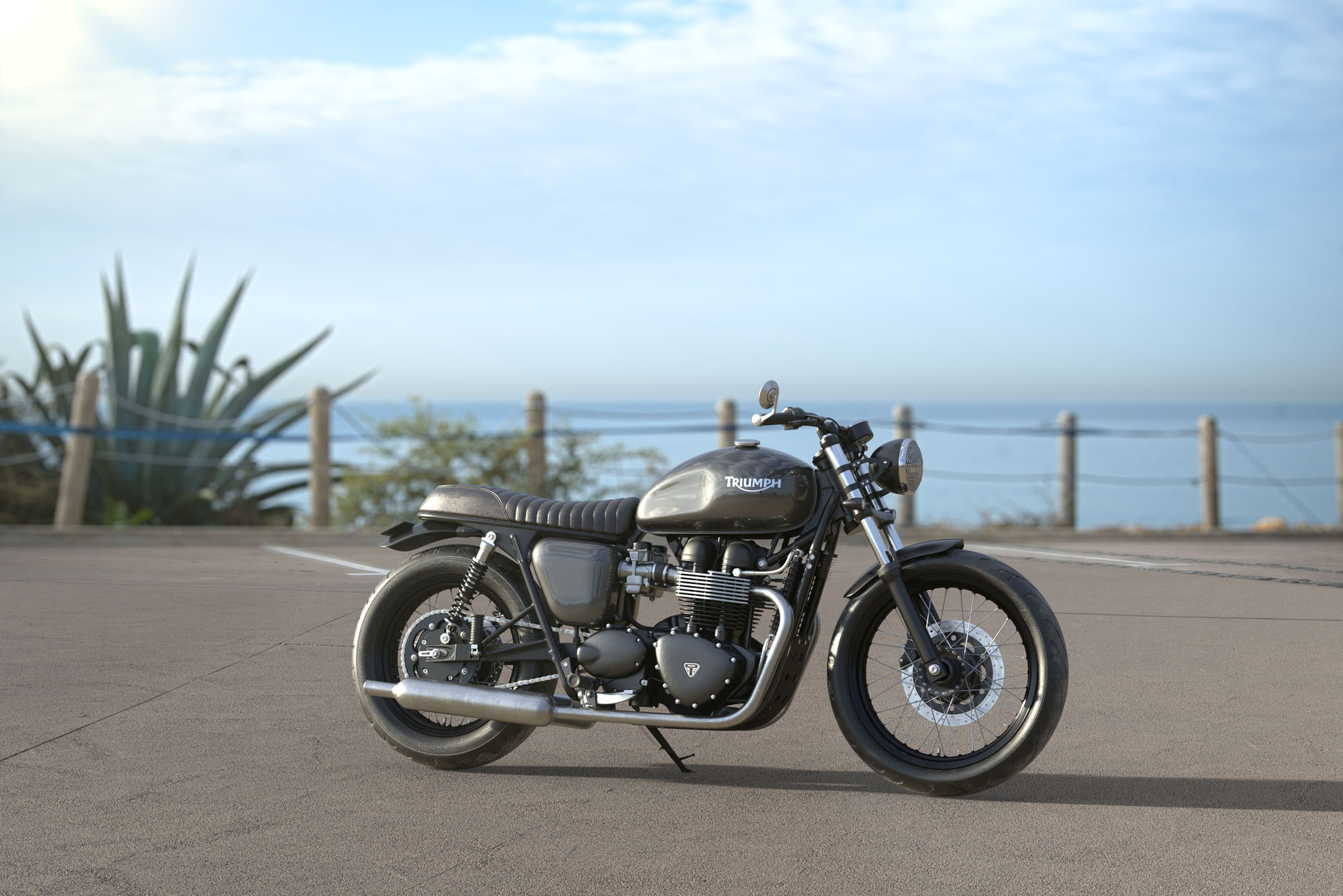
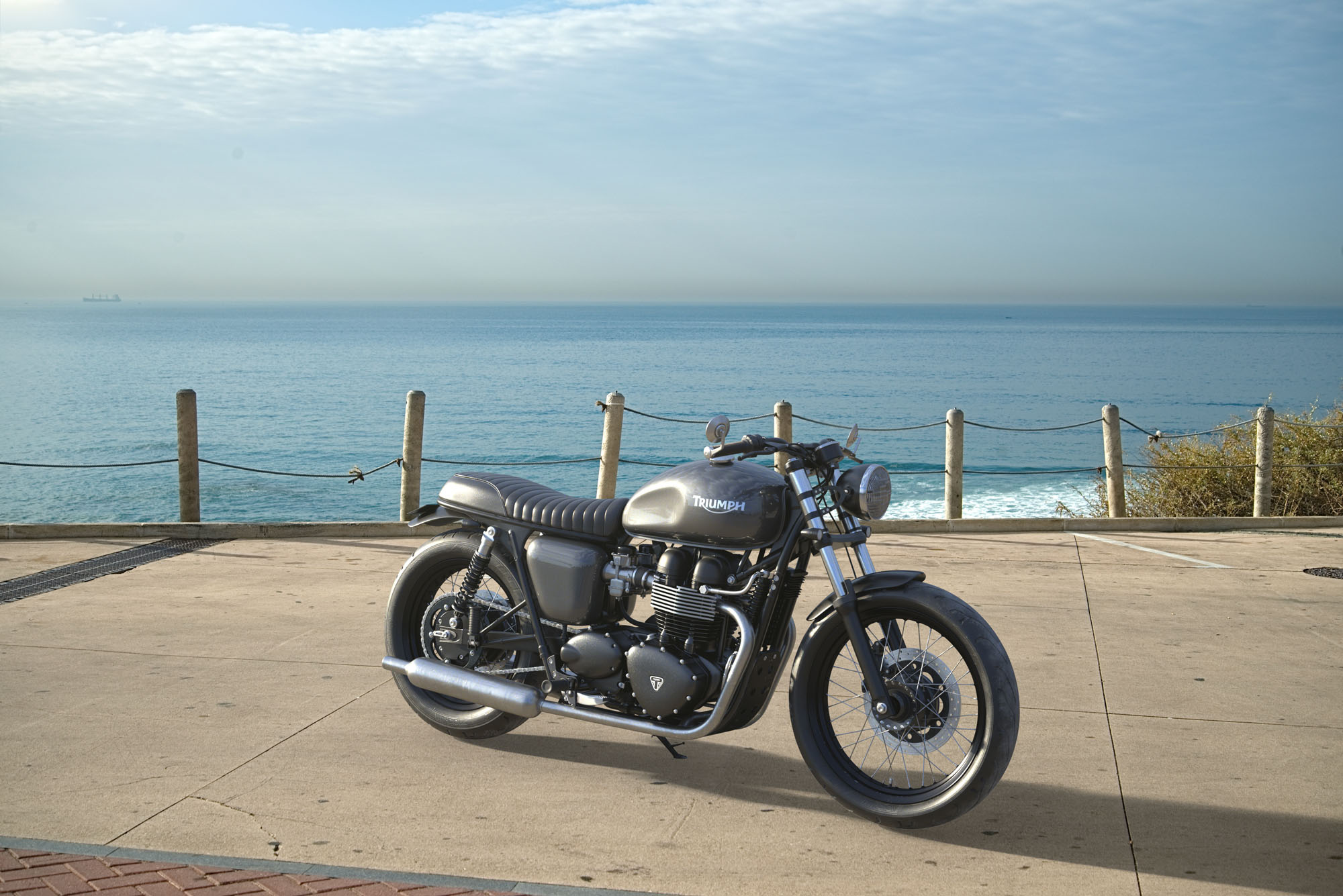
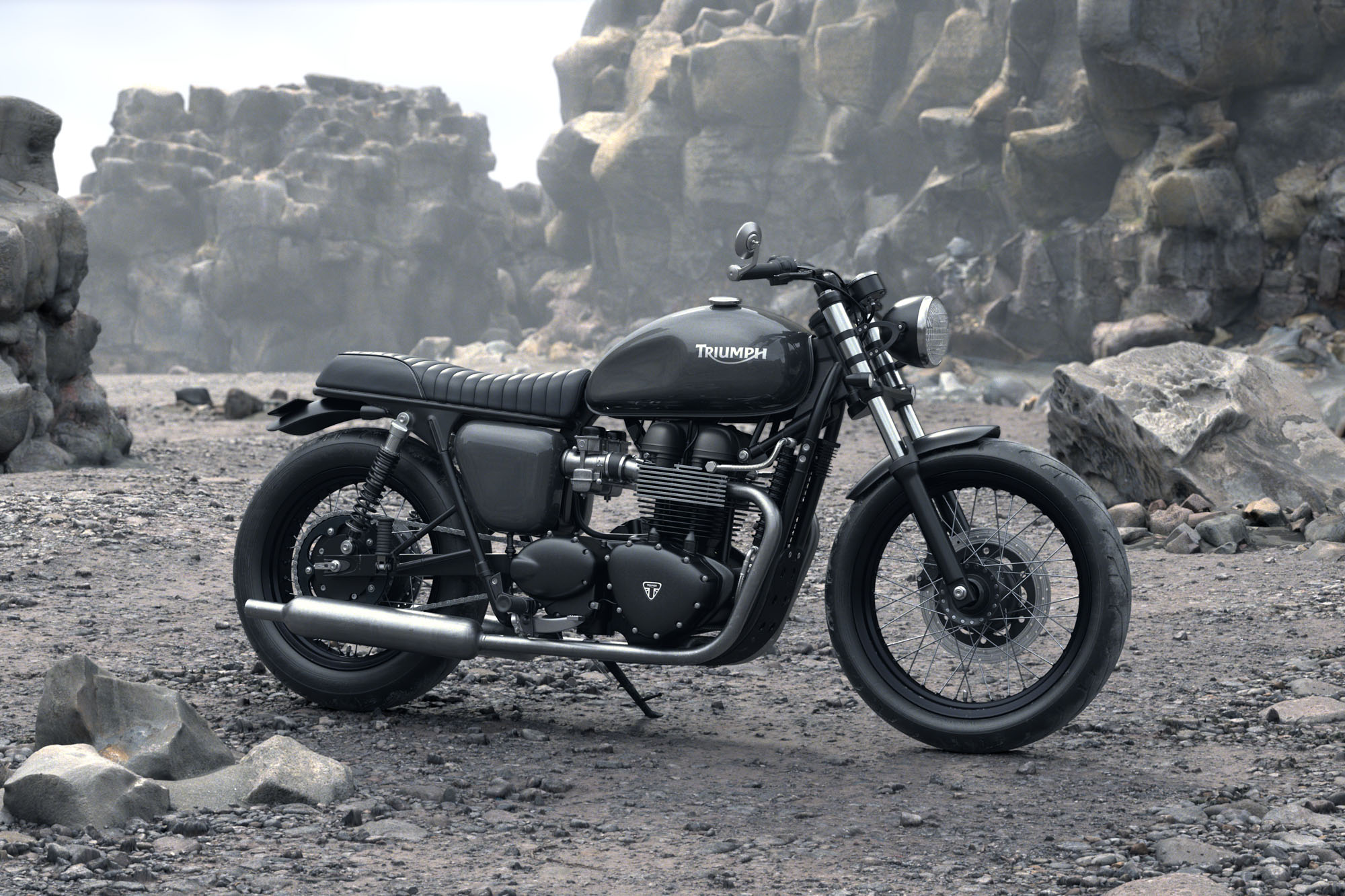
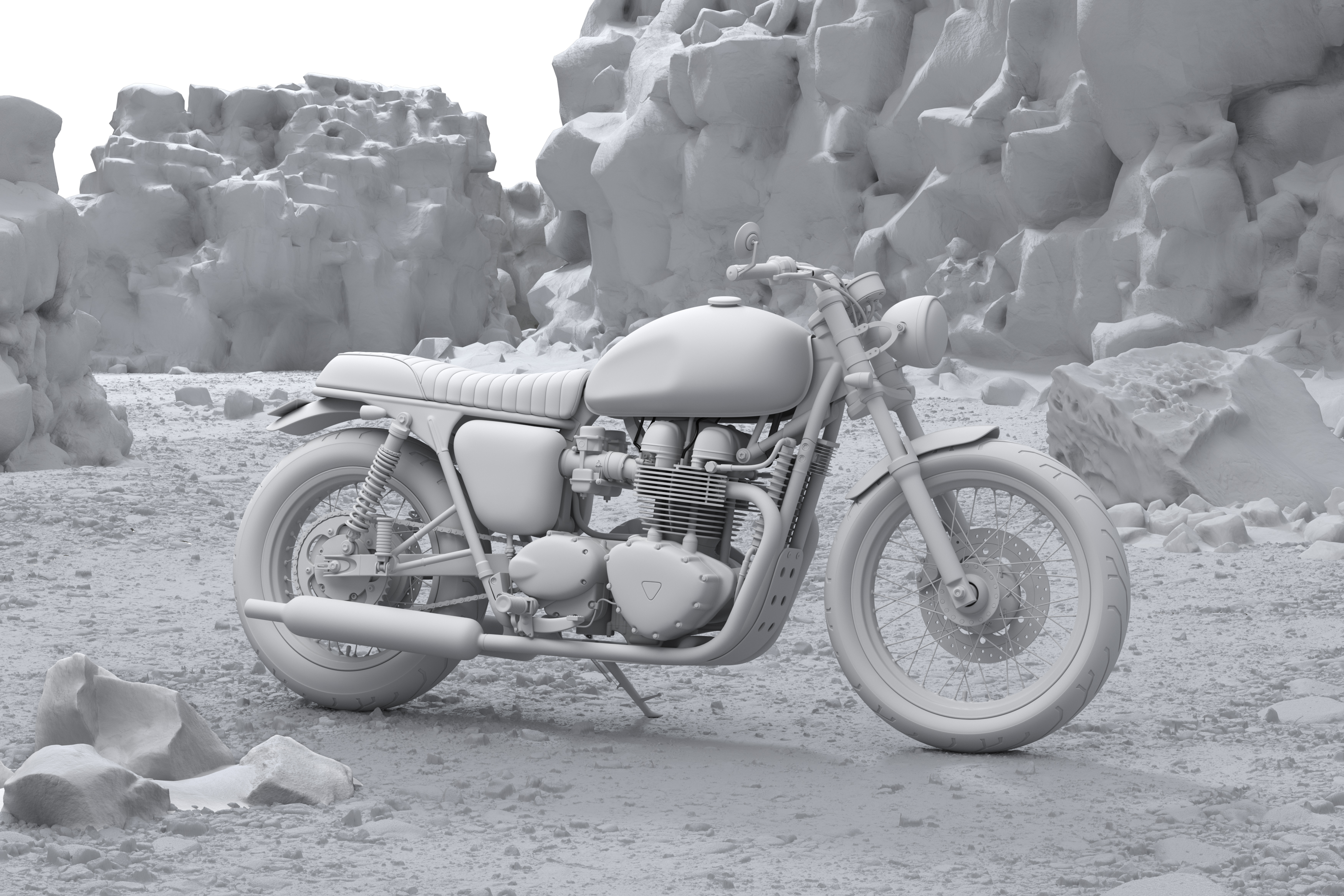
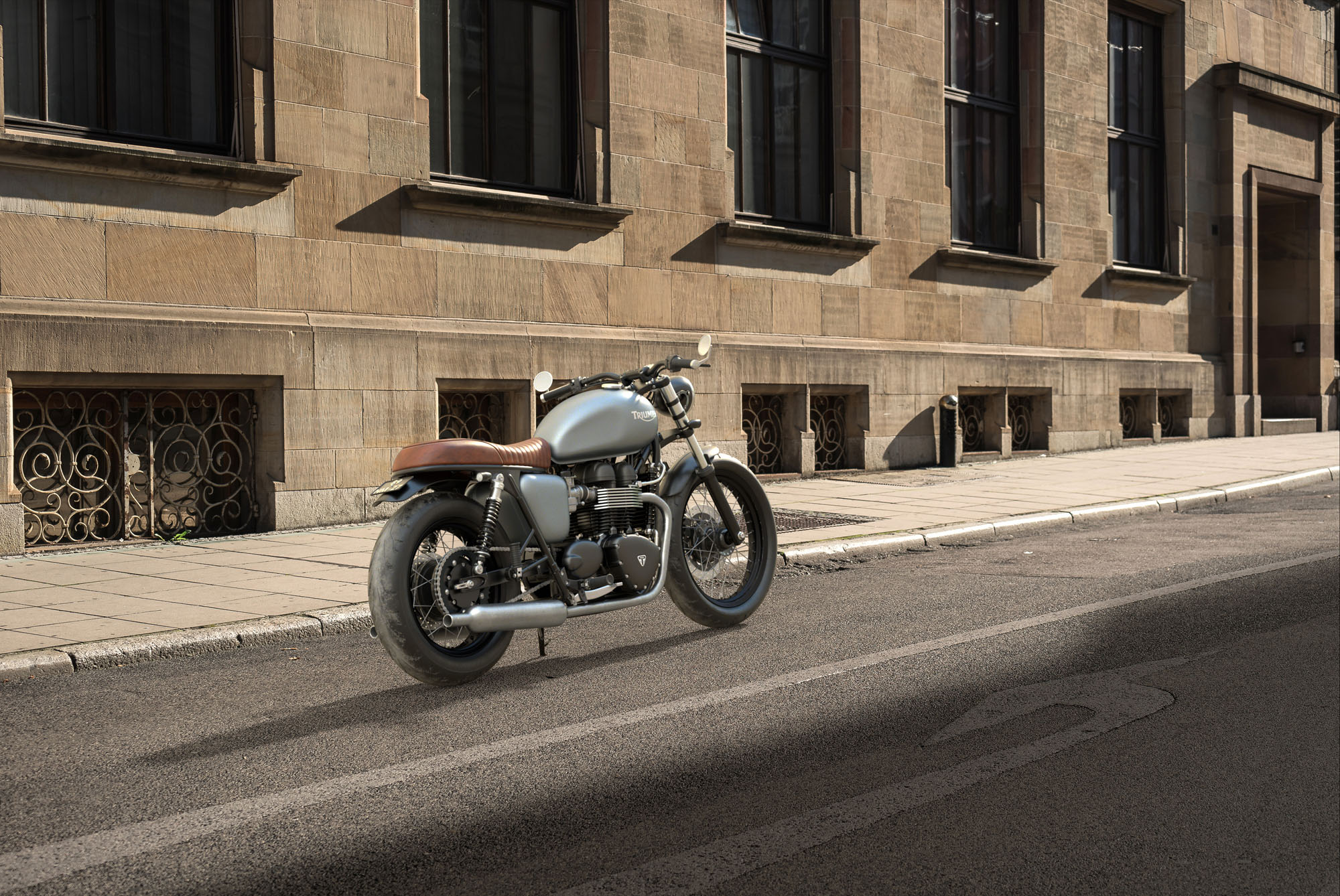
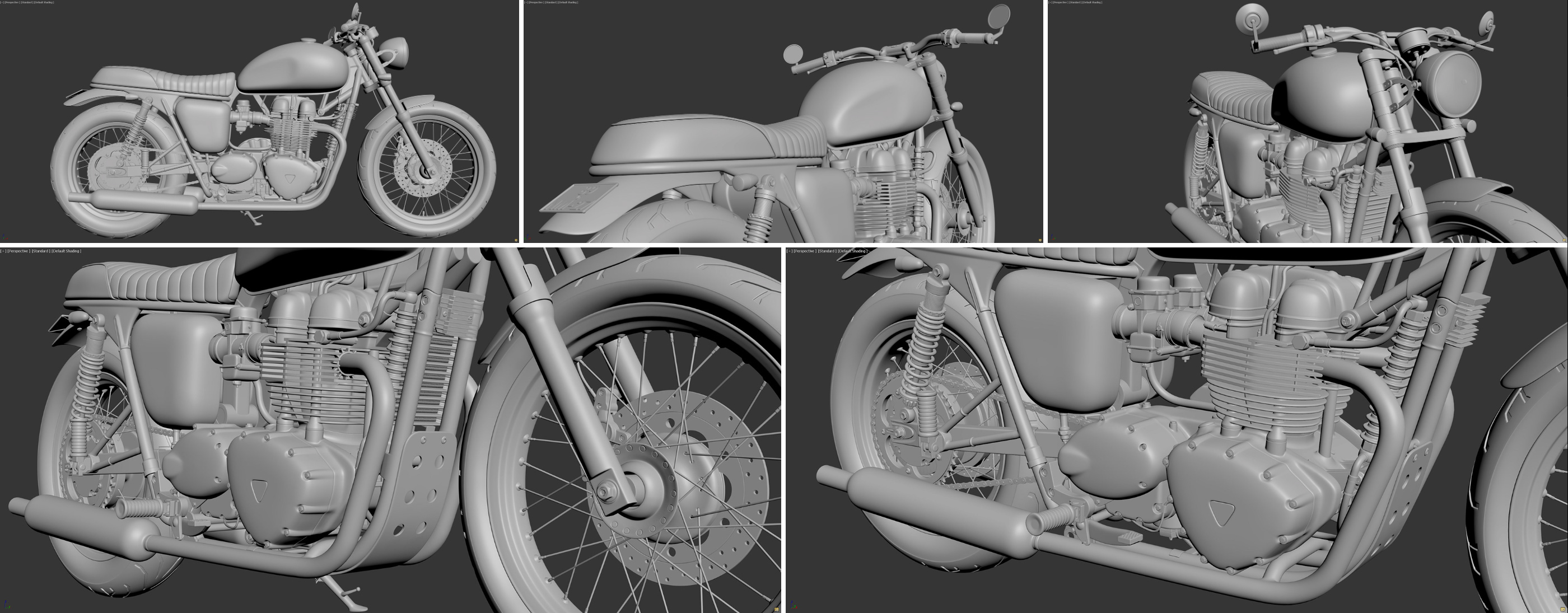
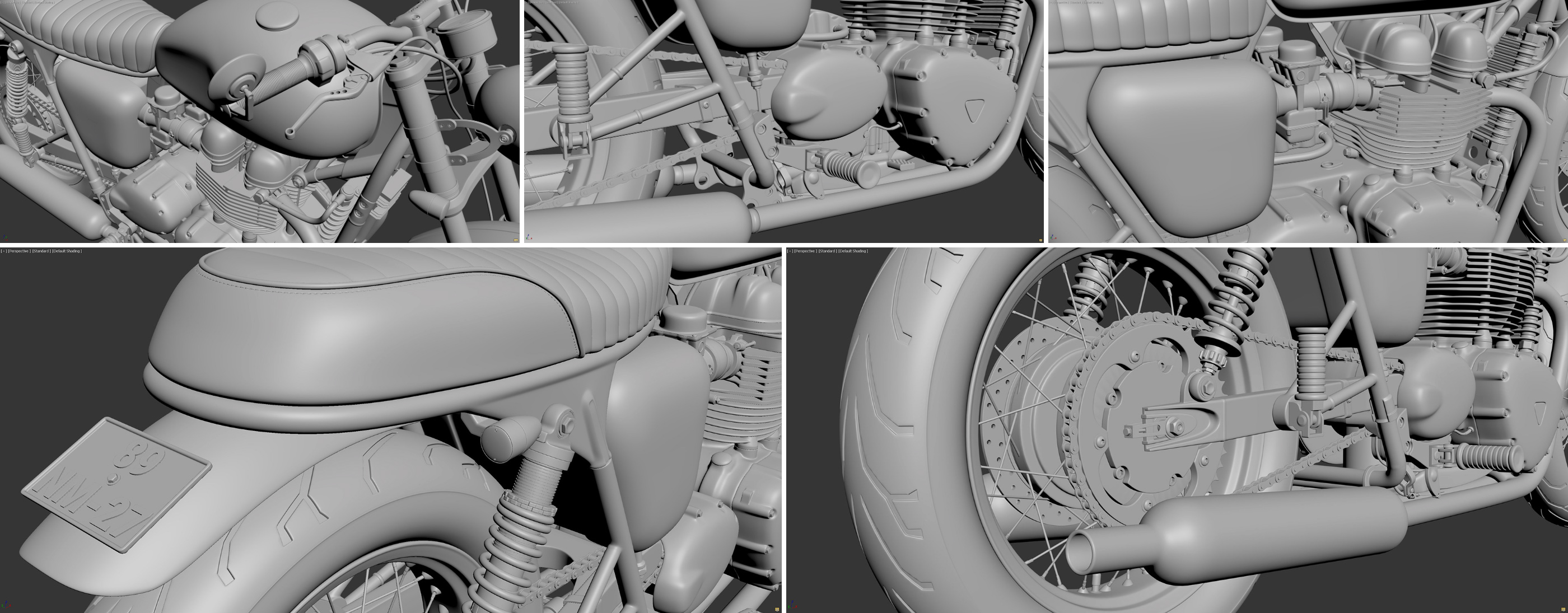
This project began with building a detailed and technically refined motorcycle model, which was the most time-intensive part of the process. The objective was not only to create an accurate representation of the bike, but to build it at a level of quality that would remain convincing across a range of render distances and compositions. That meant carefully developing forms, smaller mechanical elements, and surface details so the asset could support both wide hero shots and tight close-up views without losing realism.
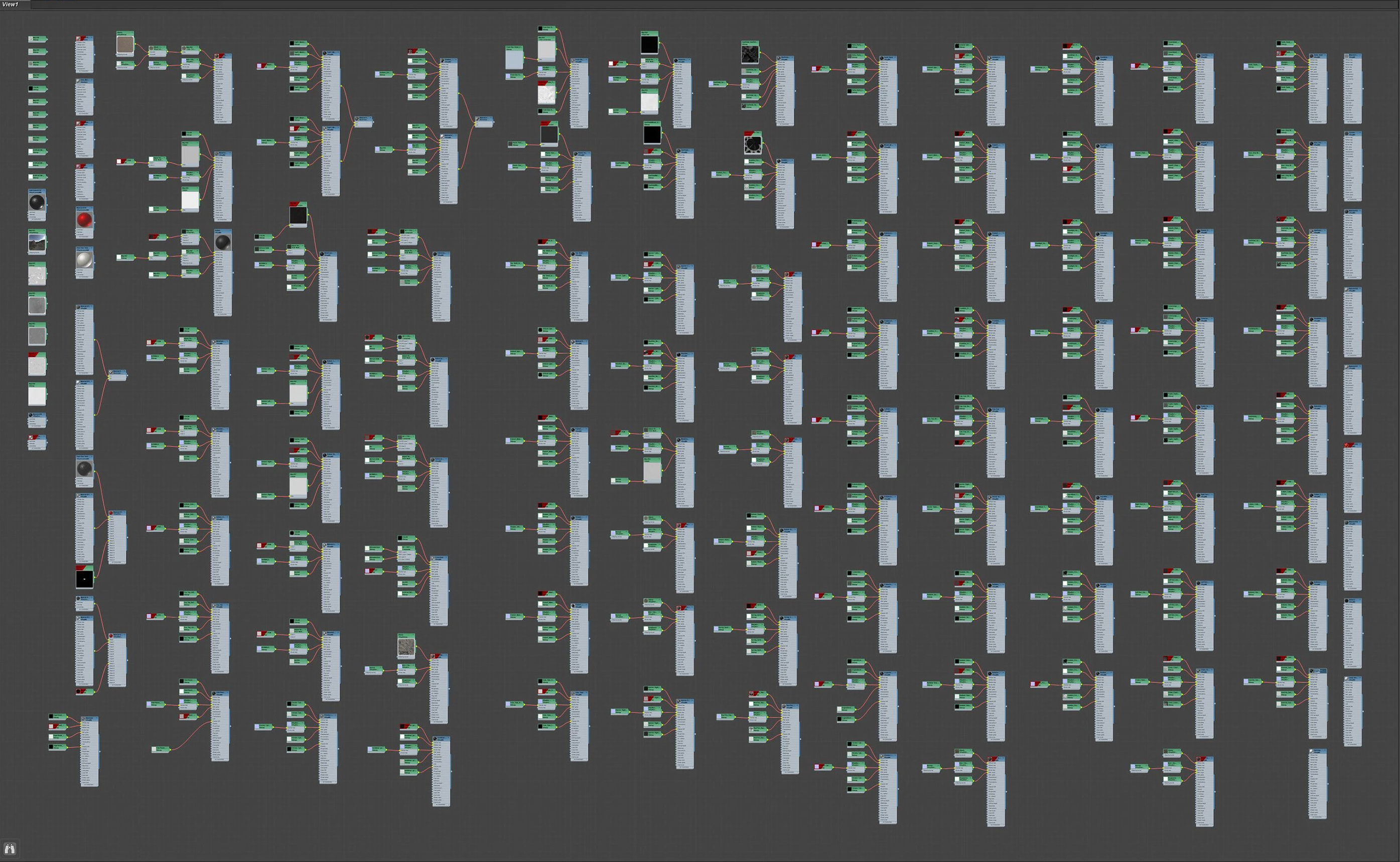
Once the model reached the right level of fidelity, the focus shifted to presentation. I explored different ways of showcasing the motorcycle through both fully built CGI environments and high-resolution HDRI-based setups. This allowed me to test how the asset responded under different lighting conditions and visual moods, while also creating a broader range of final imagery. Because motorcycles rely heavily on reflective materials, painted finishes, metal parts, and subtle texture variation, surfacing and lighting were critical in making the renders feel believable and premium.
The final stage centered on rendering and compositing, using the full toolset to bring the project together into polished final images. In total, the project took roughly 300 hours to complete and became a strong personal benchmark for photoreal product visualization. More than a single render exercise, it was an opportunity to push quality, patience, and technical control across every step of the CGI process, from concept and asset creation to final image development.